

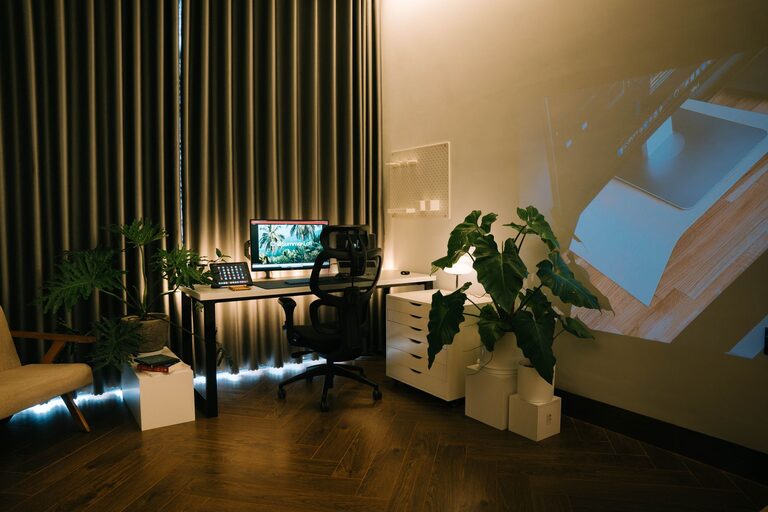
Creating a workspace at home that feels relaxing and promotes productivity can make a big difference in how you work and feel throughout the day. Whether you work remotely full-time or need a quiet spot for occasional tasks, setting up a calming home office environment helps reduce stress and improve concentration. In this post, we’ll explore practical ideas and easy steps to design a relaxing workspace that suits your needs.
Why a Relaxing Workspace Matters
Your work environment directly impacts your mood, energy levels, and productivity. A cluttered or noisy space can increase stress and make it harder to focus. On the other hand, a thoughtfully organized and soothing workspace encourages calmness and creativity. By creating a relaxing home workspace, you can enjoy:
– Improved concentration
– Reduced stress and frustration
– Enhanced motivation and creativity
– Better work-life balance
Now, let’s look at how to create this kind of space in your home.
Choose the Right Location
Start by selecting the best spot for your workspace. Consider these factors:
– Natural light: A space near a window with ample daylight is ideal. Natural light boosts mood and reduces eye strain.
– Quiet area: Find a room or corner away from household noise or distractions.
– Ventilation: Fresh air helps keep you alert and comfortable.
– Space: Choose an area with enough room for your desk, chair, and any supplies you need.
If space is limited, even a small nook can work well with the right setup.
Declutter and Organize
Clutter can be mentally draining. Keeping your workspace tidy and organized promotes relaxation and focus.
Tips to declutter effectively:
– Sort through papers, books, and supplies to keep only what you regularly use.
– Use storage solutions like shelves, bins, and drawer organizers to keep essentials neat.
– Keep your desk surface clean by storing away unnecessary items.
– Digitize documents when possible to reduce paper piles.
Maintaining a clutter-free workspace helps clear your mind and creates a peaceful environment.
Select Comfortable and Functional Furniture
Your furniture should support your comfort and productivity.
– Ergonomic chair: Choose a chair that supports good posture with adjustable height and lumbar support.
– Desk size: Pick a desk that fits your space but provides enough room for your computer, keyboard, and workspace essentials.
– Adjustable options: Consider a sit-stand desk or accessories like monitor stands to improve comfort throughout the day.
Comfortable furniture reduces physical strain and allows you to focus on work.
Use Soothing Colors and Decor
Colors and decor can greatly influence your mood.
– Color palette: Soft, neutral tones like light blues, greens, or beige promote calmness. Avoid overly bright or harsh colors that may distract you.
– Natural elements: Incorporate plants, wood, or stones to add warmth and tranquility.
– Personal touches: Add artwork, photos, or objects that inspire you but don’t overwhelm the space.
Keep decorations minimal to maintain a serene atmosphere.
Optimize Lighting
Proper lighting is key for a relaxing and productive workspace.
– Maximize natural light during the day by positioning your desk near a window.
– Use adjustable task lighting like a desk lamp with warm light to reduce eye strain.
– Avoid harsh overhead fluorescents or glare on your screen.
Good lighting helps you stay alert and comfortable.
Minimize Noise and Distractions
Reducing noise and interruptions creates a more relaxed environment.
– Use noise-canceling headphones or play soft background music if helpful.
– Consider room dividers or rugs to absorb sound if your space is noisy.
– Set clear boundaries with household members during work hours to limit disturbances.
A quieter environment enhances focus and reduces stress.
Keep Essential Supplies Within Reach
Having everything you need nearby reduces frustration and keeps you focused.
– Organize office supplies like pens, notebooks, and chargers in drawers or on desk organizers.
– Store frequently used items within arm’s reach to avoid unnecessary interruptions.
– Create a dedicated spot for your tech accessories like chargers and headphones.
This organization supports smooth workflow and minimizes disruptions.
Incorporate Relaxation Breaks
Even a perfect workspace benefits from regular breaks.
– Use a timer or app to remind you to stretch and rest your eyes every hour.
– Consider adding a small cozy corner with a cushion or chair for short breaks to relax and recharge.
– Practice deep breathing or simple mindfulness exercises to reduce stress.
Taking breaks boosts productivity and keeps your mind fresh.
Maintain Your Space Regularly
To keep your workspace relaxing over time, make daily or weekly habits to:
– Tidy your desk at the end of each workday.
– Reorganize as needed to keep clutter at bay.
– Refresh plants and dust surfaces to maintain a clean environment.
Consistent care ensures your workspace remains a calm and inviting place to work.
—
Creating a relaxing home workspace doesn’t require major renovations or expensive equipment. By choosing a quiet spot with natural light, decluttering, selecting comfortable furniture, using soothing colors, and organizing your supplies, you can design a space that supports both your productivity and well-being. Remember to personalize your workspace in ways that inspire calmness and creativity. With a little effort, your home office can become a peaceful retreat where you enjoy working every day.